HANJI'S · History
The legacy of Hanji.
Korea has over 1,300 years of papermaking history. There are various
opinions among scholars as to how papermaking was introduced to Korean peninsula
from China between 2-7th century. However, the prevailing belief that Korea started
making and using paper before the 4th century is based on a piece of paper found in
an ancient tomb, Che Hyup Chong (108 B.C.E.-313 C.E.). Papermaking skills were then
introduced to Japan in 610 C.E. by a Korean Buddhist monk Dam Jing along with ink sticks,
a millstone, and colorants. This fact suggests that by the late 6th century, papermaking
in Korea must have been well developed.
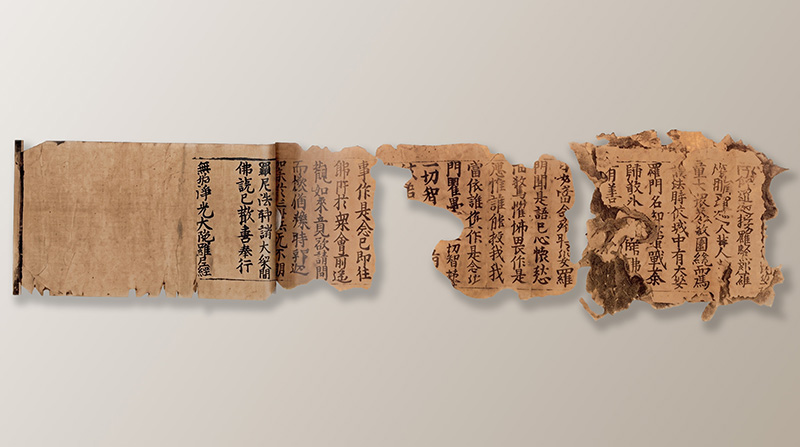
Mu Gu Jung Kwang Dae Da Ra Ni Kyung
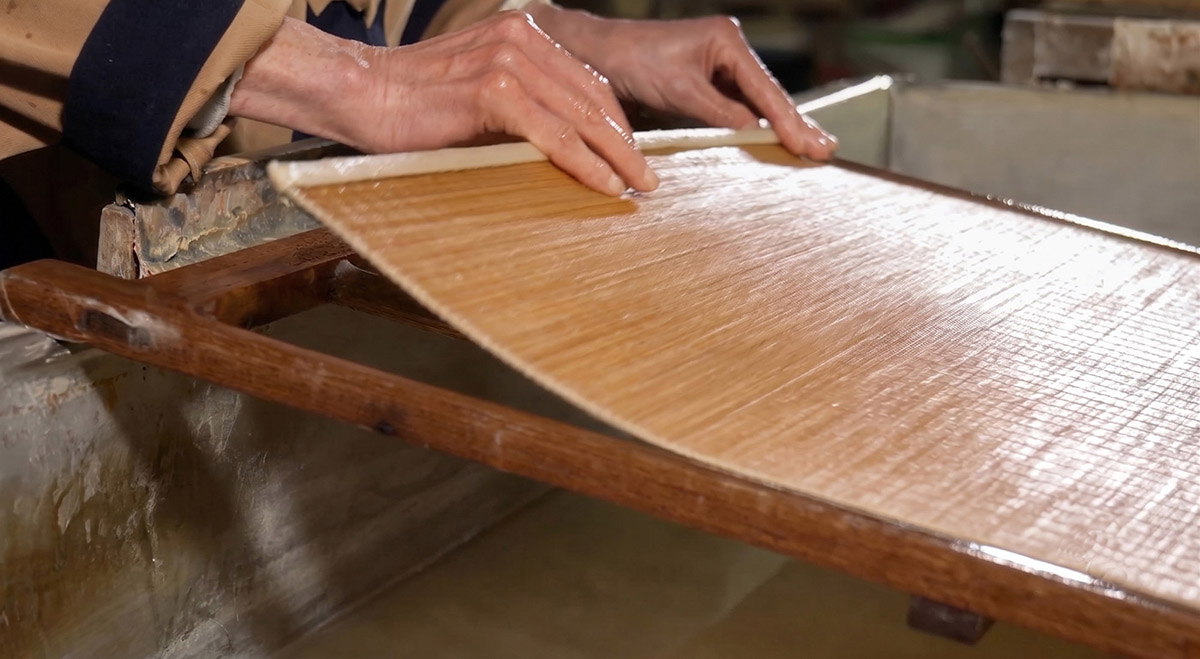
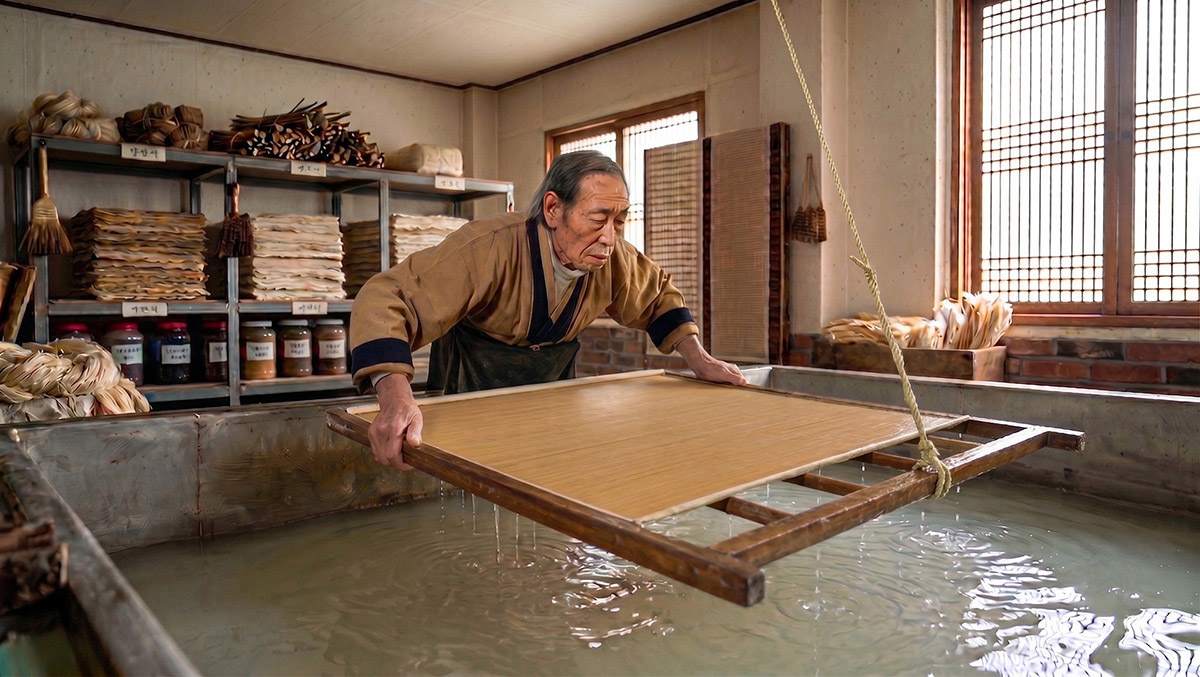
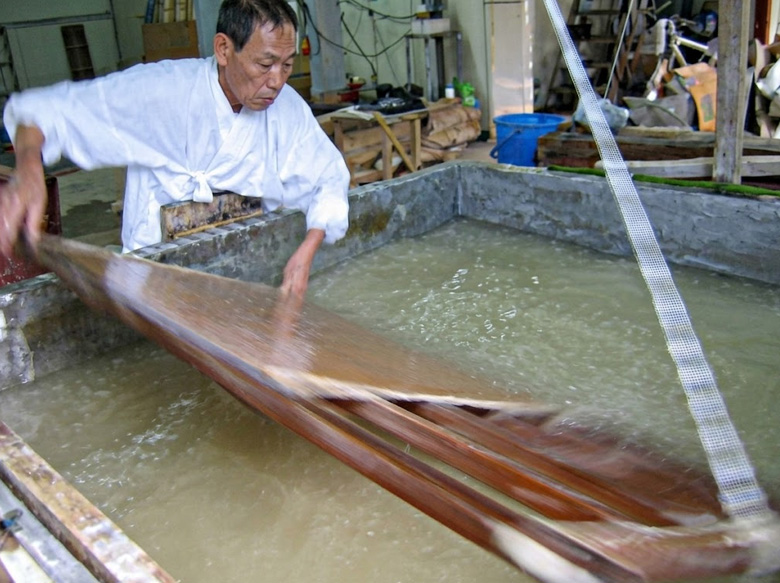
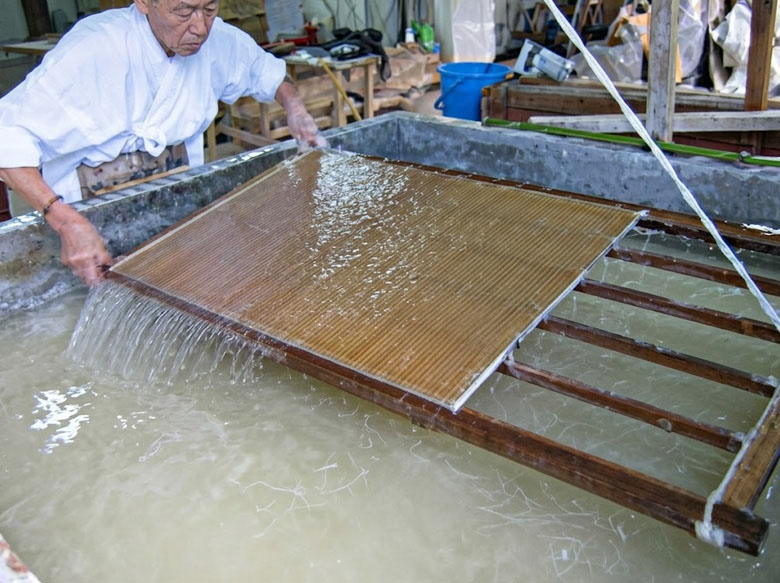
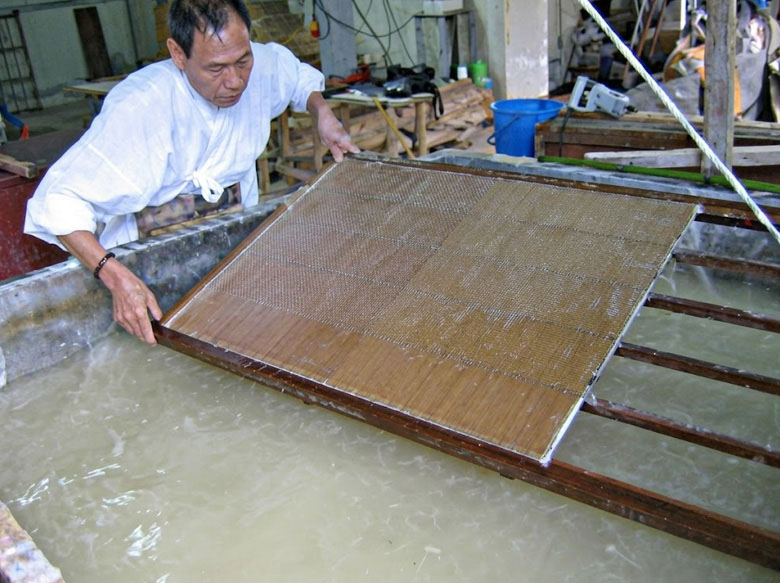
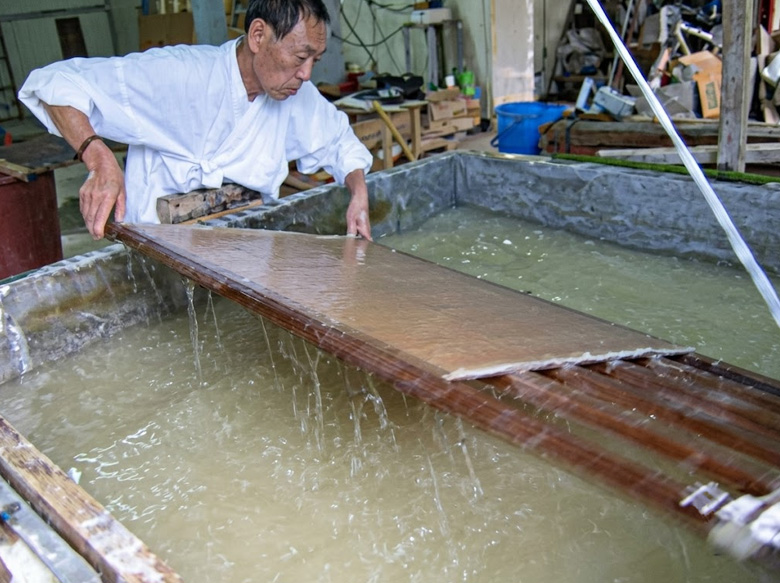
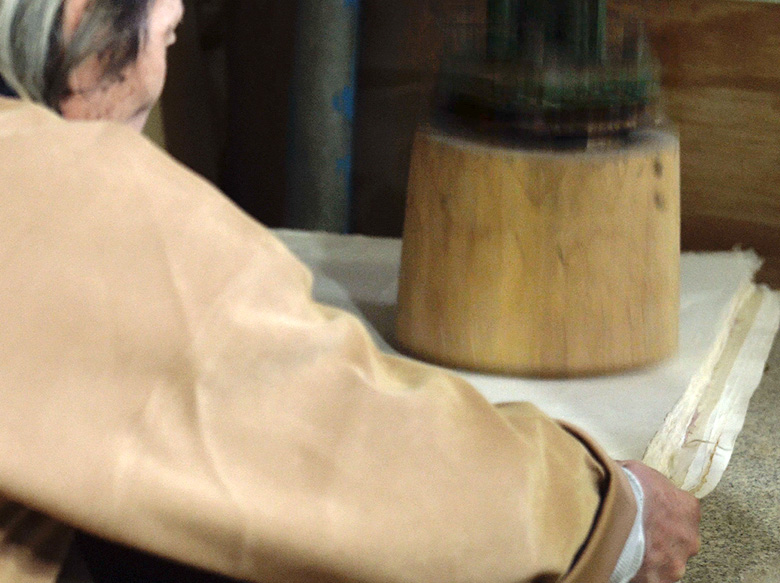
Once the Korean papermakers took this invaluable skill, they refined it with an original
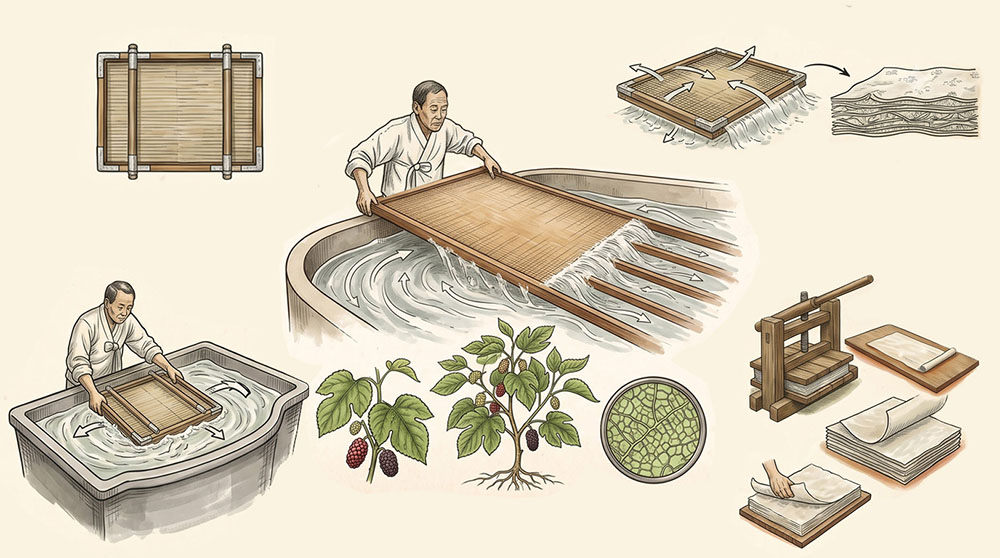
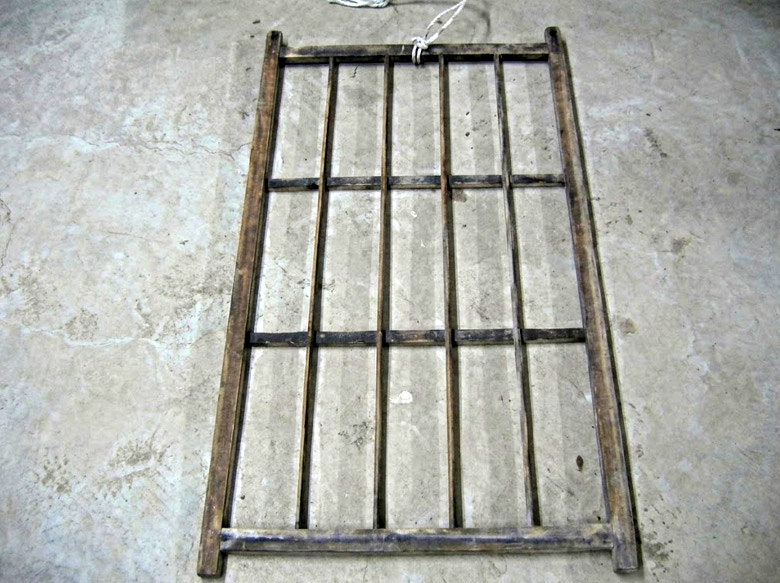
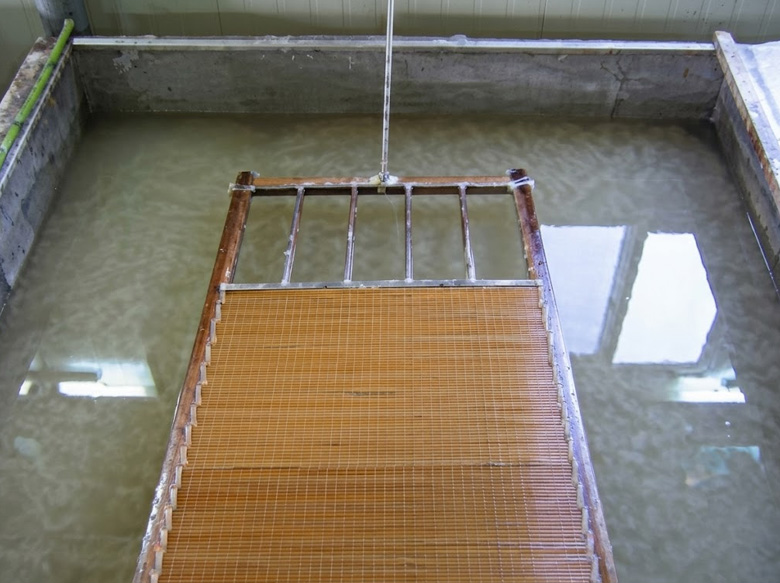
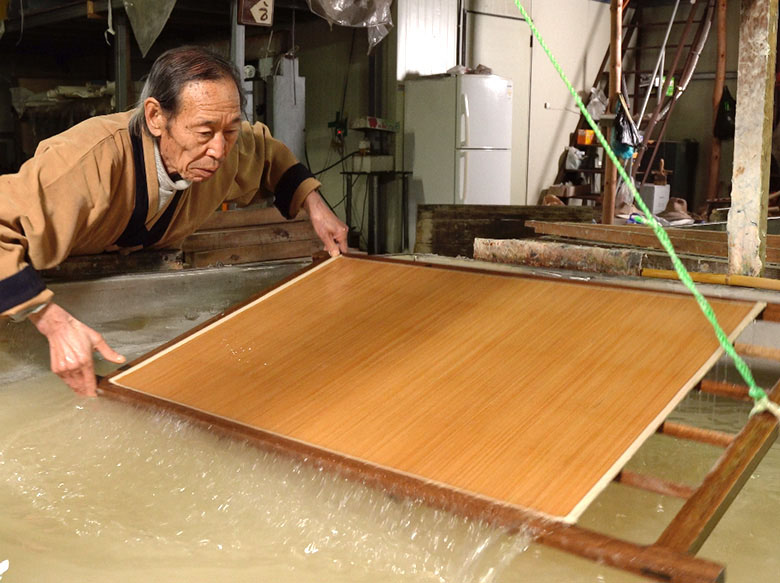
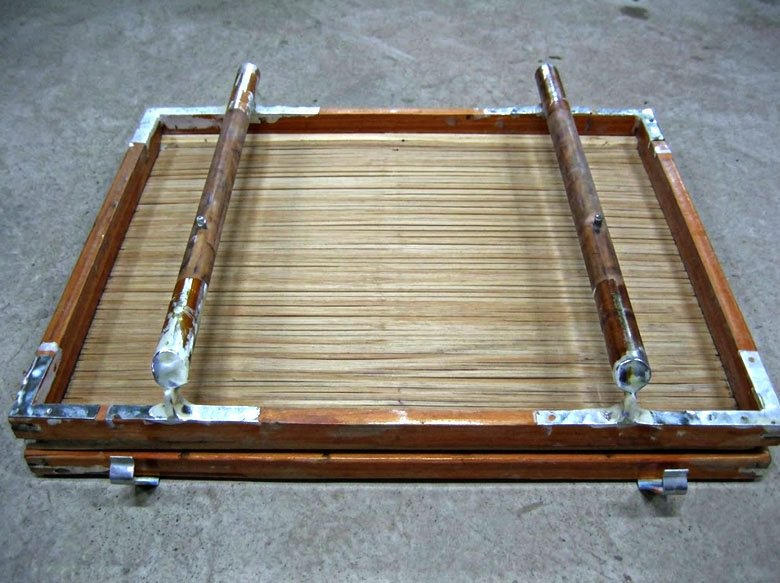
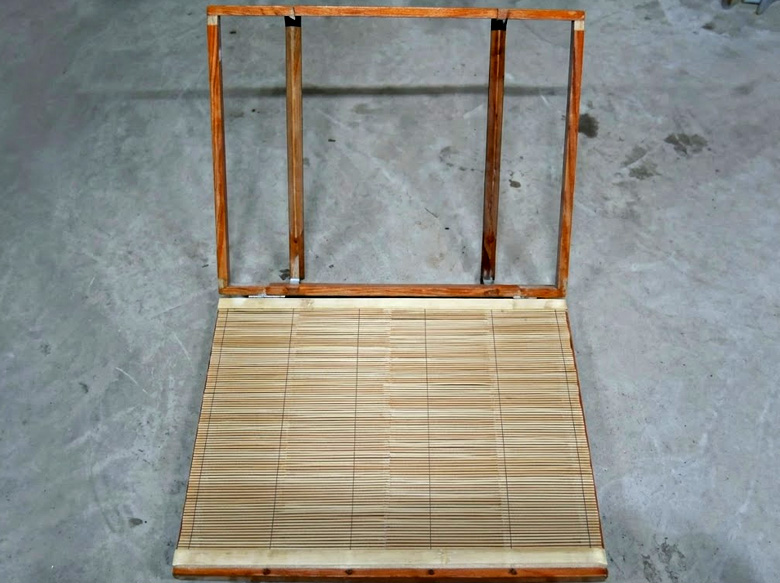
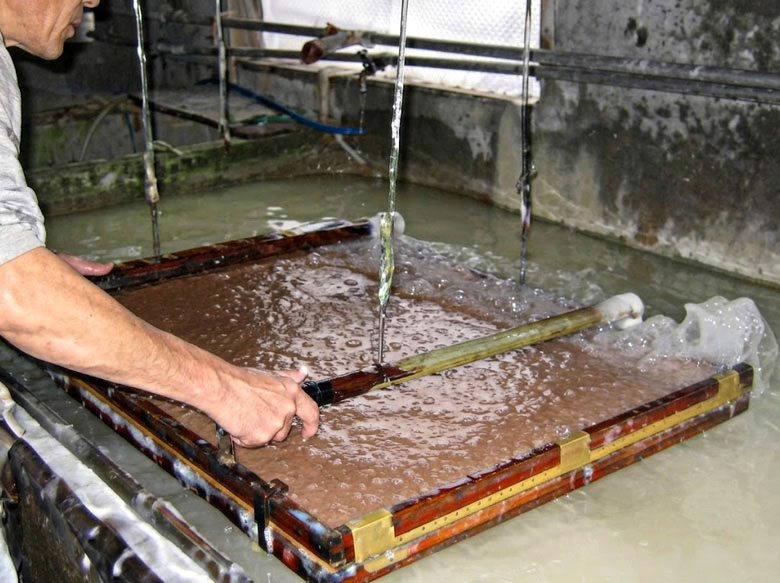
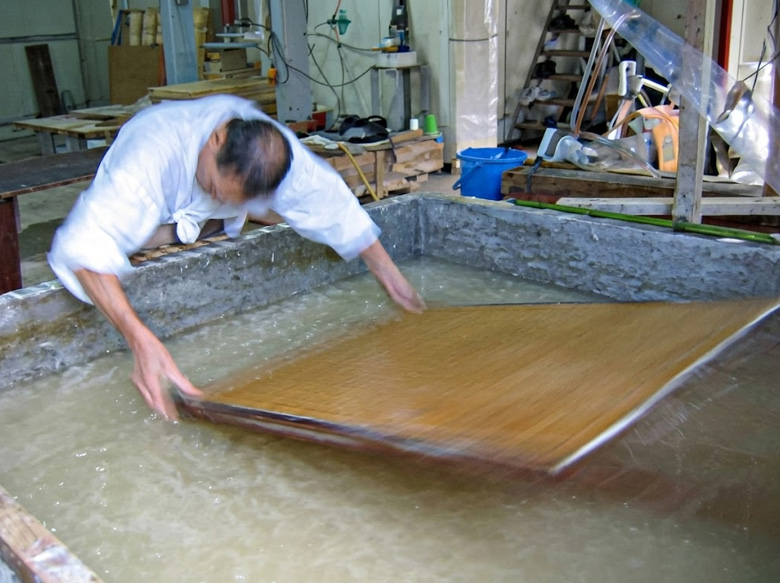
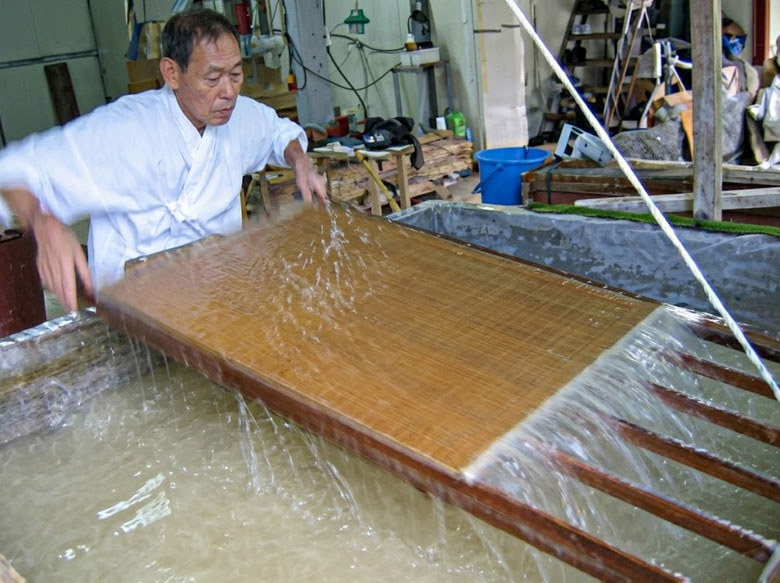
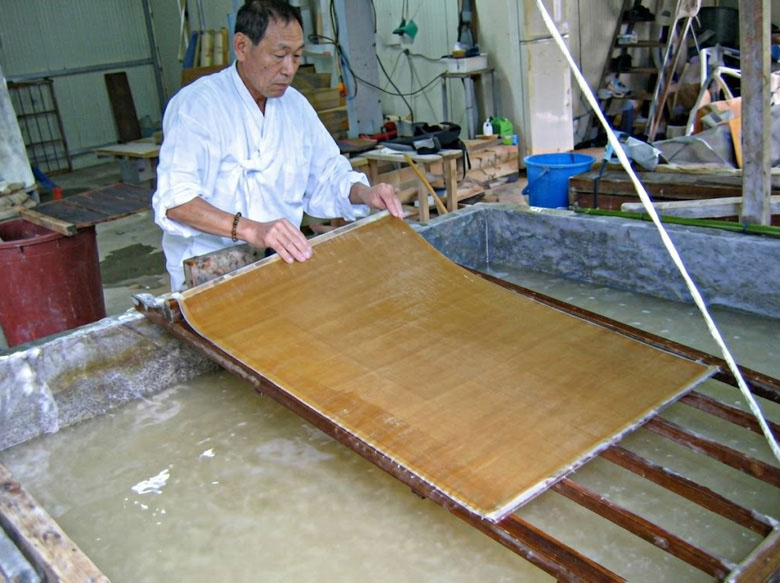
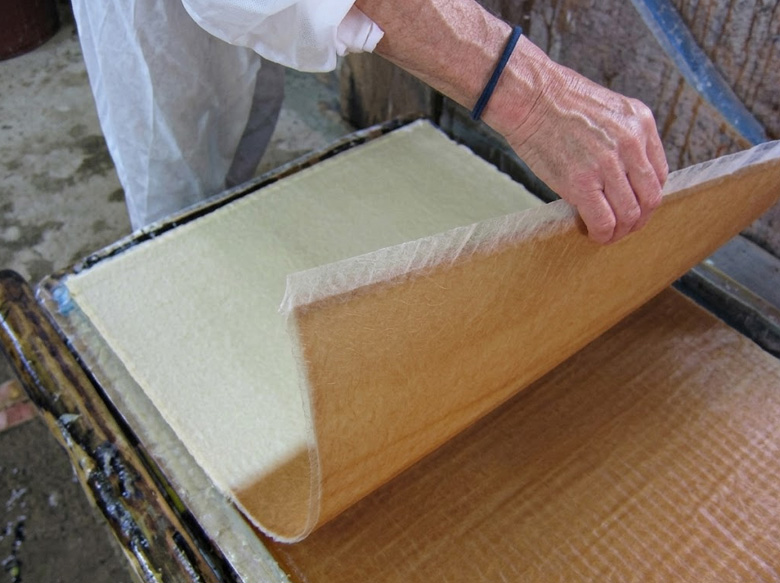
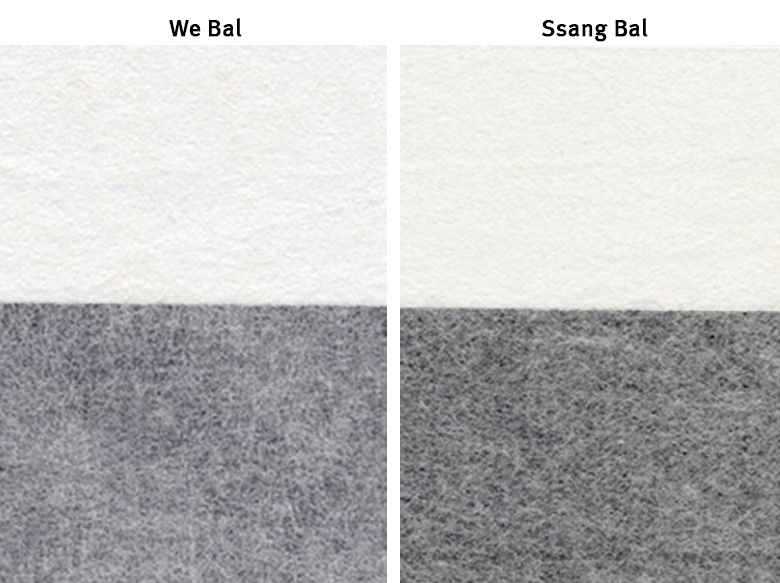
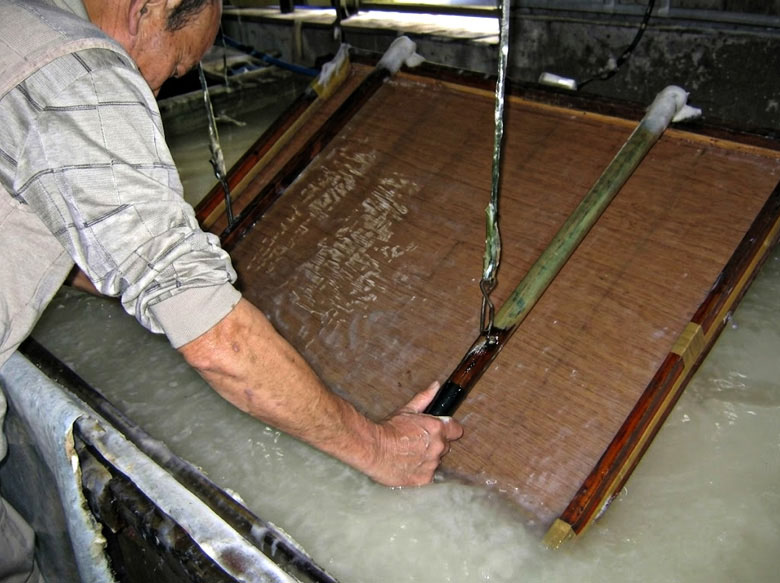
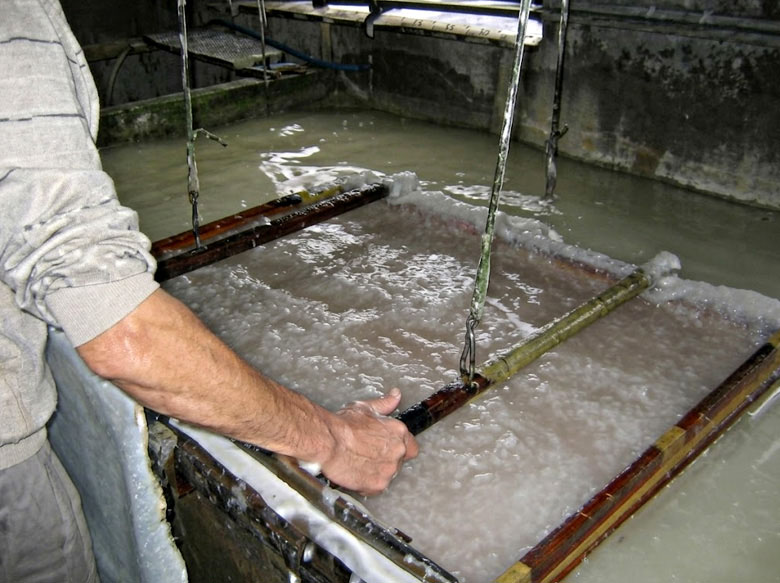
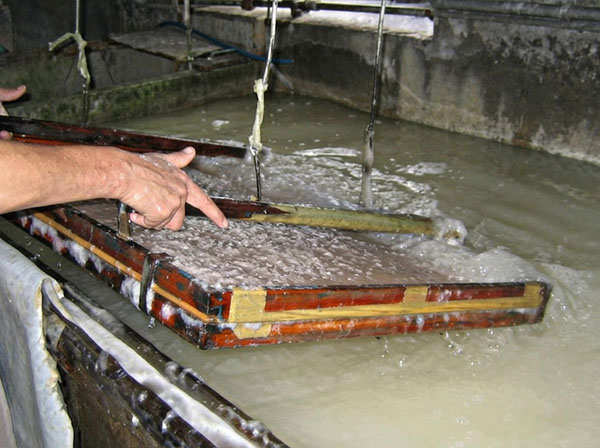
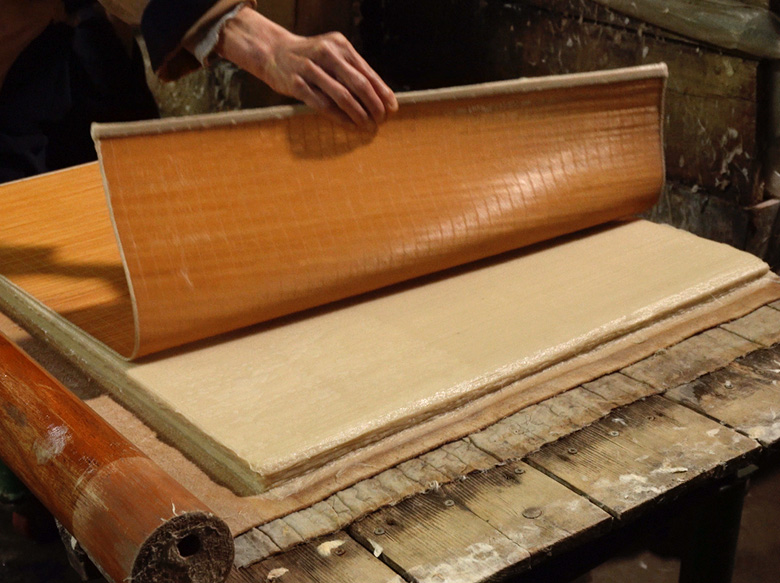
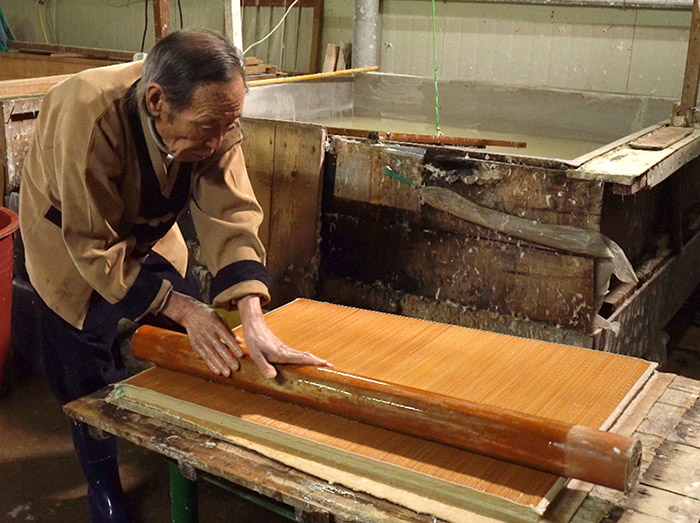
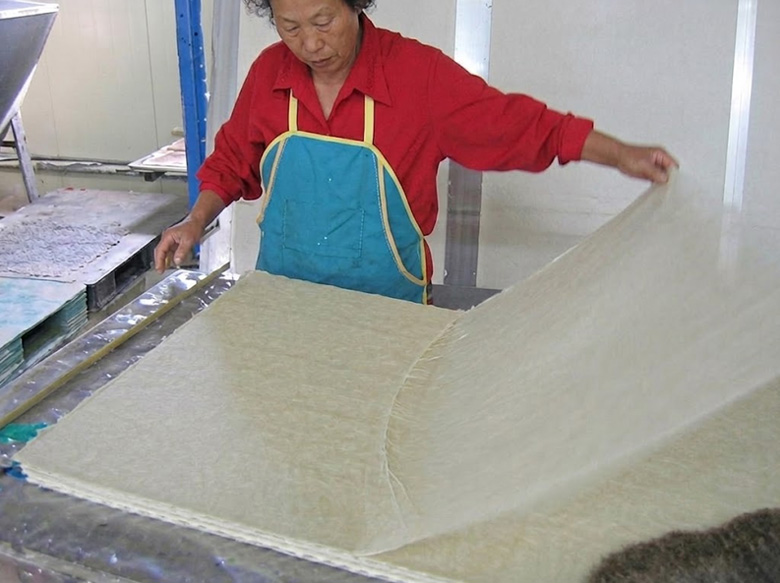
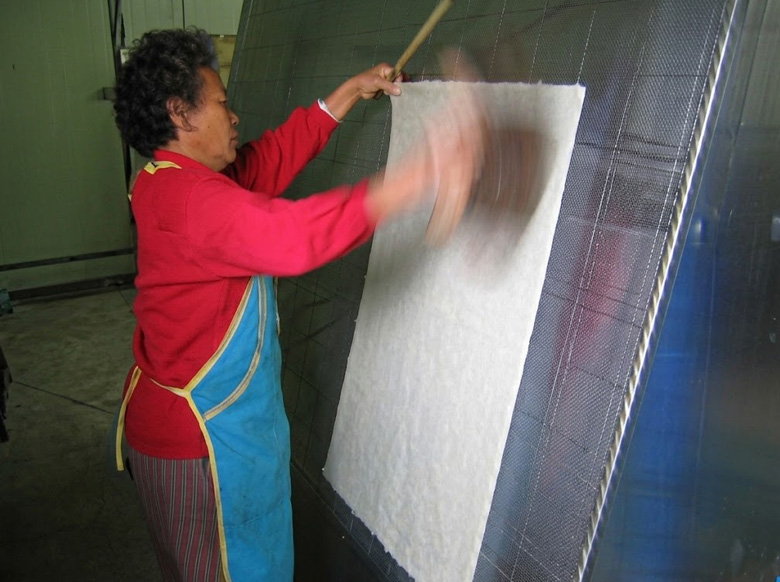
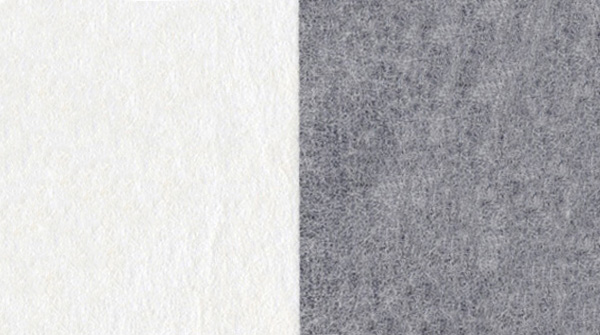
vision. A unique formation technique that created Yin Yang Ji was established and handmade
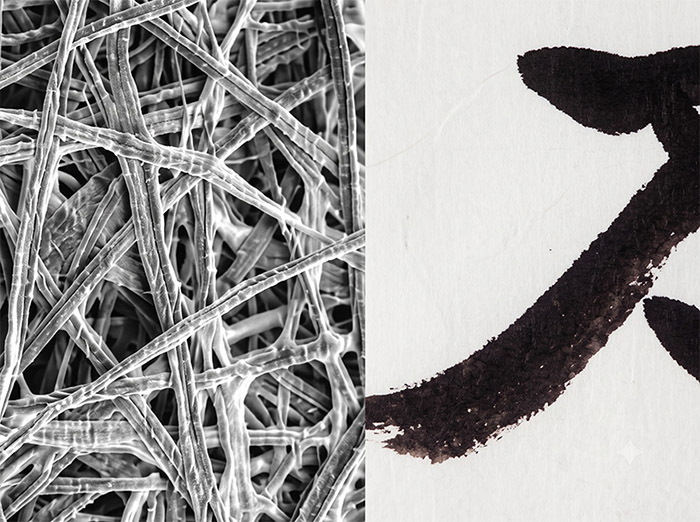
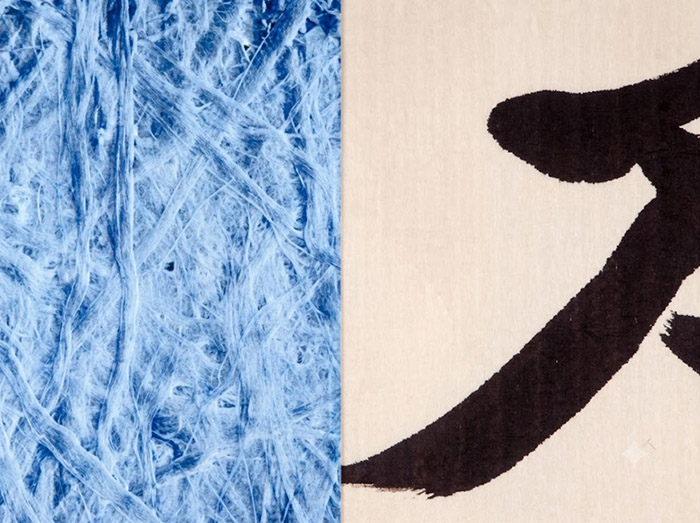
paper became an indispensible material of daily life in Korea. Koreans used paper not only
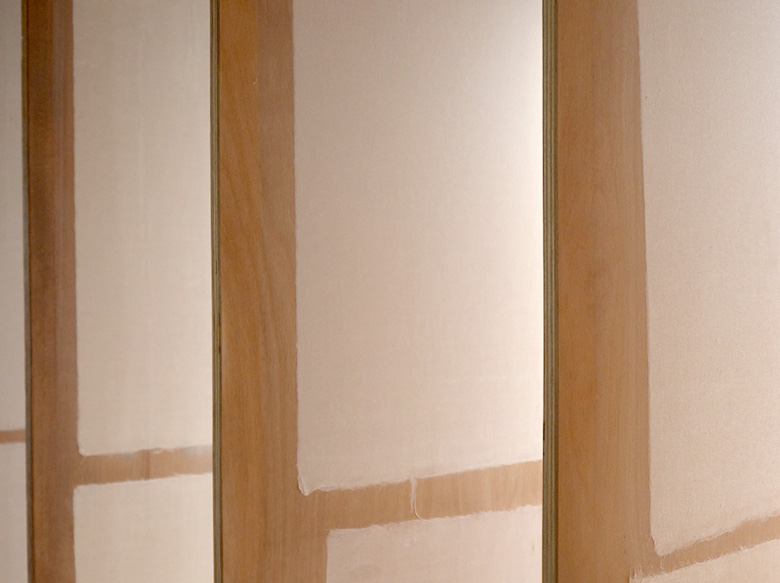
for calligraphy, painting, and books, but also for doors, walls, windows, furnitures,
umbrellas, lanterns, boxes, baskets, fans, shoes, and clothes. In fact, Koreans seem to
be the only people who used paper as flooring.
The world's oldest surviving wood block print, Mu Gu Jung Kwang Dae Da Ra Ni Kyung (circa 751 C.E.)
and the world's oldest book printed by movable metallic type, Jik Ji Sim Che Yo Jeol (1377 C.E.) are
excellent examples of Korea's highly accomplished papermaking and printing skills.
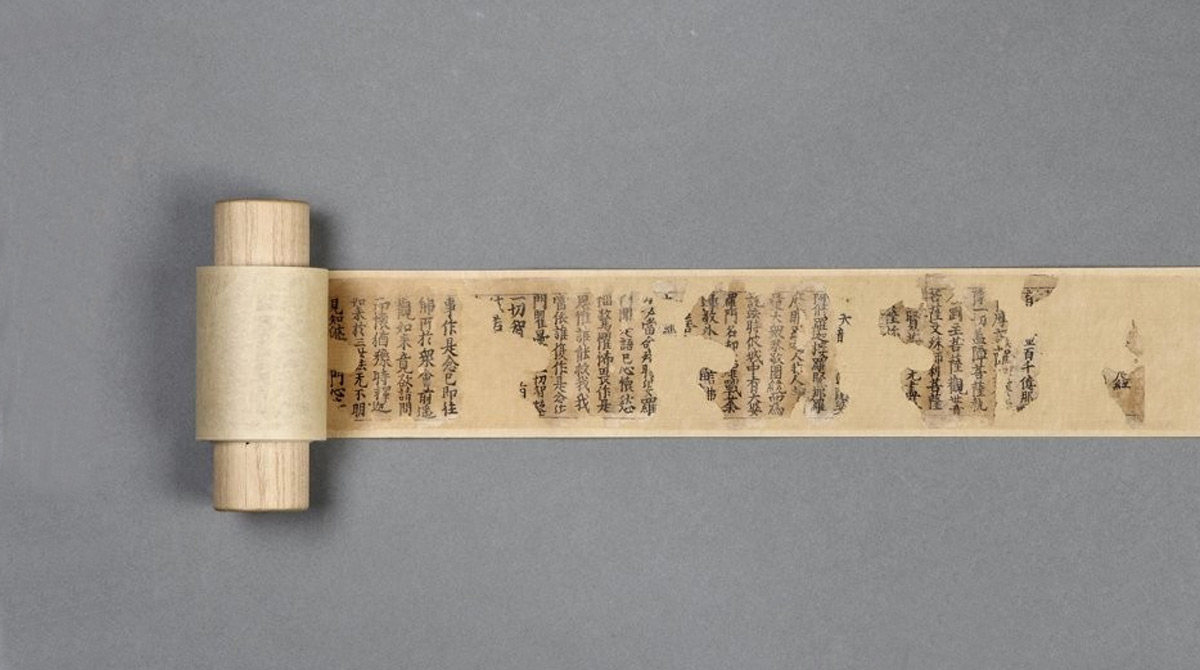
Mu Gu Jung Kwang Dae Da Ra Ni Kyung (c. 751 C.E., National Treasure 126)
By the 11-12th century, Korea's papermaking had truly flourished. The Royal Court of Goryeo(918-1392)
dynasty encouraged rapid development of papermaking and printing skills. It published numerous Buddhist
scripts, medical, and history books. The quality of Goryeo Ji (Hanji was commonly referred to as Goryeo Ji
during Goryeo and Joseon (1392-1910) dynasty) was renowned throughout Asia, especially in China. Many
Chinese books from that time praise the beauty of Korean paper and state that Chinese scholars regarded
Korean paper as one of the best. Goryeo Ji, Goryeo ginseng, and Goryeo celadon became most sought after
export items and Chinese aristocrats and scholars enjoyed exchanging them as valuable gifts. Goryeo Ji in
particular became one of the main tribute products levied by China.
Joseon (1392-1910) dynasty inherited the excellence of Goryeo Ji and papermaking technique and its
application matured during the first half of the kingdom (1392-1591). Hanji started to penetrate every
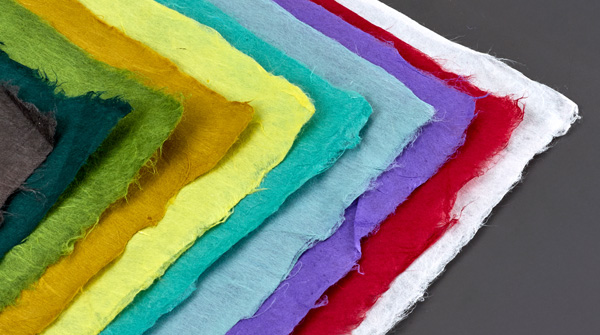
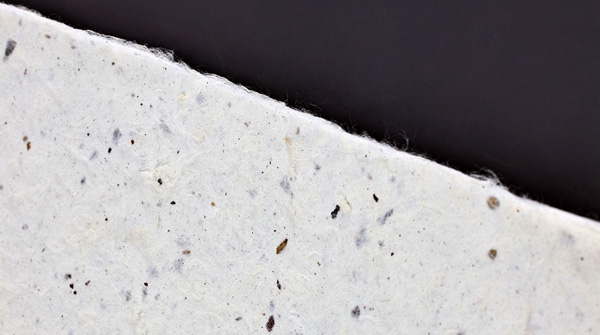
day lives of ordinary people. Colored Hanji became popular and a variety of plants, such as pine tree bark,
rice straw, and bamboo were incorporated into Hanji.
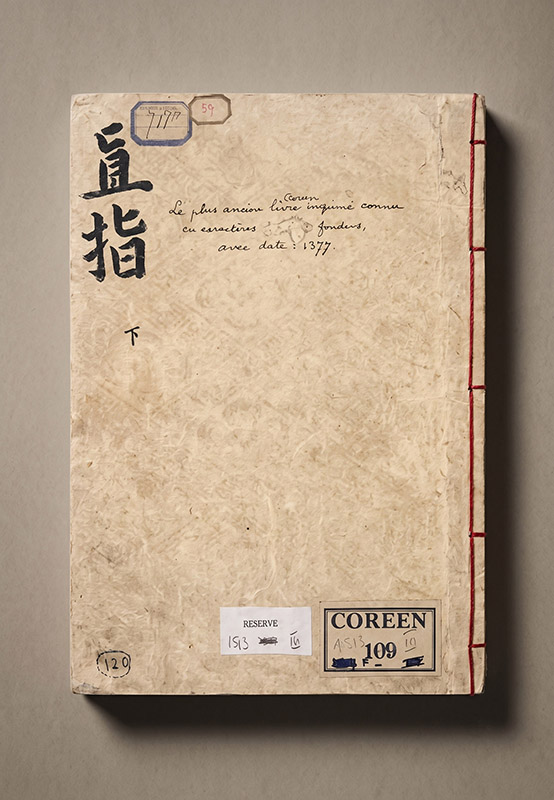
Jikji Simche Yo Jeol (1377 C.E.)
After this period until the 19th century, Joseon dynasty suffered several major aggressions from
neighboring countries. Japanese invasion of 1592, which lasted six years, devastated Korean papermaking
industry as many craftsmen were taken away to Japan. Also, a heavy tribute of paper was demanded by
China during Yuan, Ming, and Ching dynasties and the Joseon government pressured Buddhist monasteries
to supply paper as monks had the skills and were already producing paper for printing of religious texts.
All of these factors contributed to the exhaustion of Korean papermaking tradition. In spite of the
depressed economy and unfavorable circumstances, however, Korea's papermaking tradition remained alive.
In the early 20th century, foreign influence and the idea of modernization started to challenge or
replace old tradition. On top of this currency, Joseon suffered colonization (1910-1945) by Japan and
many changes started to occur. Western paper mills were constructed and cheaper machinemade papers
started to undermine handmade traditional paper.
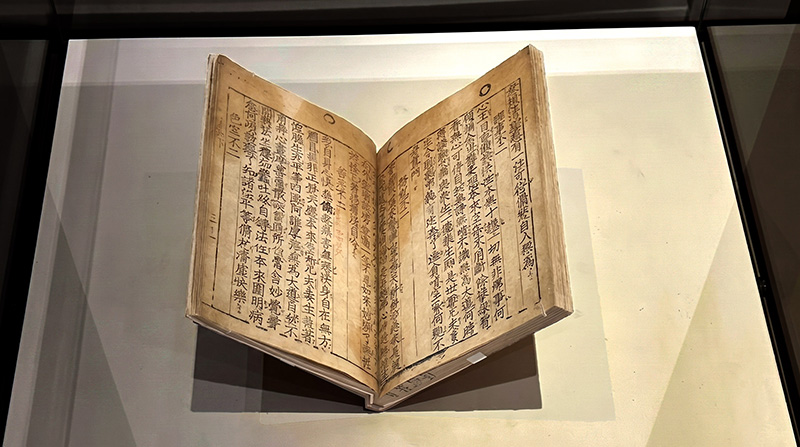
Jikji Simche Yo Jeol (1377 C.E.)
Since 1945, Korean lifestyle underwent a dramatic overhaul. Traditional thatch top houses, which
used a lot of handmade paper for walls, doors, windows, and flooring, were replaced by western
architecture. Hanji was no longer an integral part of daily life and its main consumers were reduced
to artists who practiced traditional ink painting or calligraphy.
However, in recent years, a renewed awareness and appreciation is growing and the excellence of
papermaking tradition is being rediscovered. More people are accepting the responsibility to carry
on this invaluable legacy for next generations, opening a new era of Hanji.